

- CAREERS
- ACADEMICS
- CONTACT US
- EMERGENCY
+91 9698 300 300 - BOOK AN
APPOINTMENT

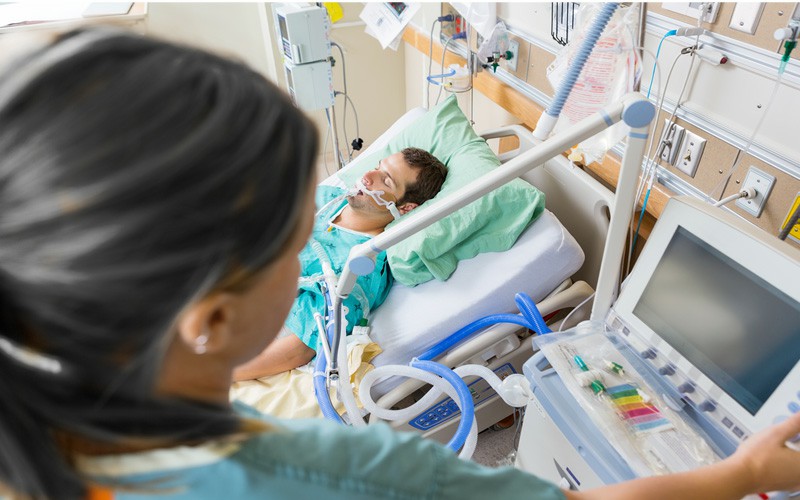
Medical emergencies require immediate attention, advanced technology, and experienced specialists. At Be Well Hospitals, our critical care hospital is equipped with modern Intensive Care Units (ICUs), continuous patient monitoring, and a multidisciplinary team of intensivists, emergency physicians, anesthesiologists, and specialized critical care nurses. We provide round-the-clock treatment for patients with severe illnesses, traumatic injuries, post-operative complications, and life-threatening medical conditions.
Whether a patient requires ventilator support, advanced cardiac monitoring, or intensive post-surgical care, our critical care hospital Chennai is committed to delivering timely, evidence-based treatment to improve survival and recovery.
Critical care is a specialized branch of medicine dedicated to treating patients with serious illnesses or injuries that require constant monitoring, advanced life-support systems, and expert medical intervention. Our intensive care specialists in Chennai work closely with multiple specialties to stabilize critically ill patients and provide comprehensive treatment throughout their recovery.
Our ICU team provides specialized care for patients with a wide range of medical emergencies and complex conditions, including:
Continuous monitoring following major surgeries, organ-related procedures, or high-risk operations.
Emergency stabilization and intensive medical management for poisoning cases and toxic exposures.
Our intensive care unit (ICU) is equipped to provide comprehensive life-support services, including:
Our critical care department features advanced medical technology to support rapid diagnosis and treatment.
Continuous monitoring of heart rate, blood pressure, oxygen levels, respiratory function, and neurological status.
Modern ventilators for patients experiencing respiratory failure.
Immediate access to laboratory testing, imaging, and bedside investigations.
Collaboration between intensivists, cardiologists, neurologists, nephrologists, pulmonologists, surgeons, and infectious disease specialists.
Every critically ill patient receives individualized treatment through a structured care pathway.
Immediate assessment and life-saving interventions.
Rapid investigations to identify the underlying condition.
Continuous monitoring and evidence-based treatment using advanced life-support technologies.
Once stabilized, patients receive rehabilitation planning and coordinated transition to specialized care or general wards.
Dedicated specialists trained in managing critically ill patients.
Round-the-clock medical care and emergency response.
Modern monitoring systems and life-support equipment.
Integrated care from multiple medical specialties under one roof.
Immediate intervention improves patient outcomes during medical emergencies.
Critical care is recommended for patients experiencing:
Early admission to an ICU significantly improves survival in many life-threatening situations.
Critical illness affects not only patients but also their families. Our team maintains clear communication, provides regular updates, and supports family members throughout the treatment journey while ensuring compassionate, patient-centered care.
A critical care hospital provides specialized treatment for patients with life-threatening illnesses or injuries who require continuous monitoring, advanced medical equipment, and intensive care support.
Patients may require ICU admission for severe infections, respiratory failure, heart attacks, stroke, major trauma, poisoning, post-operative complications, or multiple organ dysfunction.
A multidisciplinary team consisting of intensivists, emergency physicians, nurses, anesthesiologists, respiratory therapists, and specialists from various departments works together to manage critically ill patients.
ICUs are equipped with ventilators, cardiac monitors, infusion pumps, dialysis support systems, advanced imaging access, and life-support technologies for continuous patient care.
ICU visitation policies vary depending on the patient's condition and hospital guidelines. Families are kept informed regularly, and visitation is managed to ensure patient safety and infection control.