
Introduction
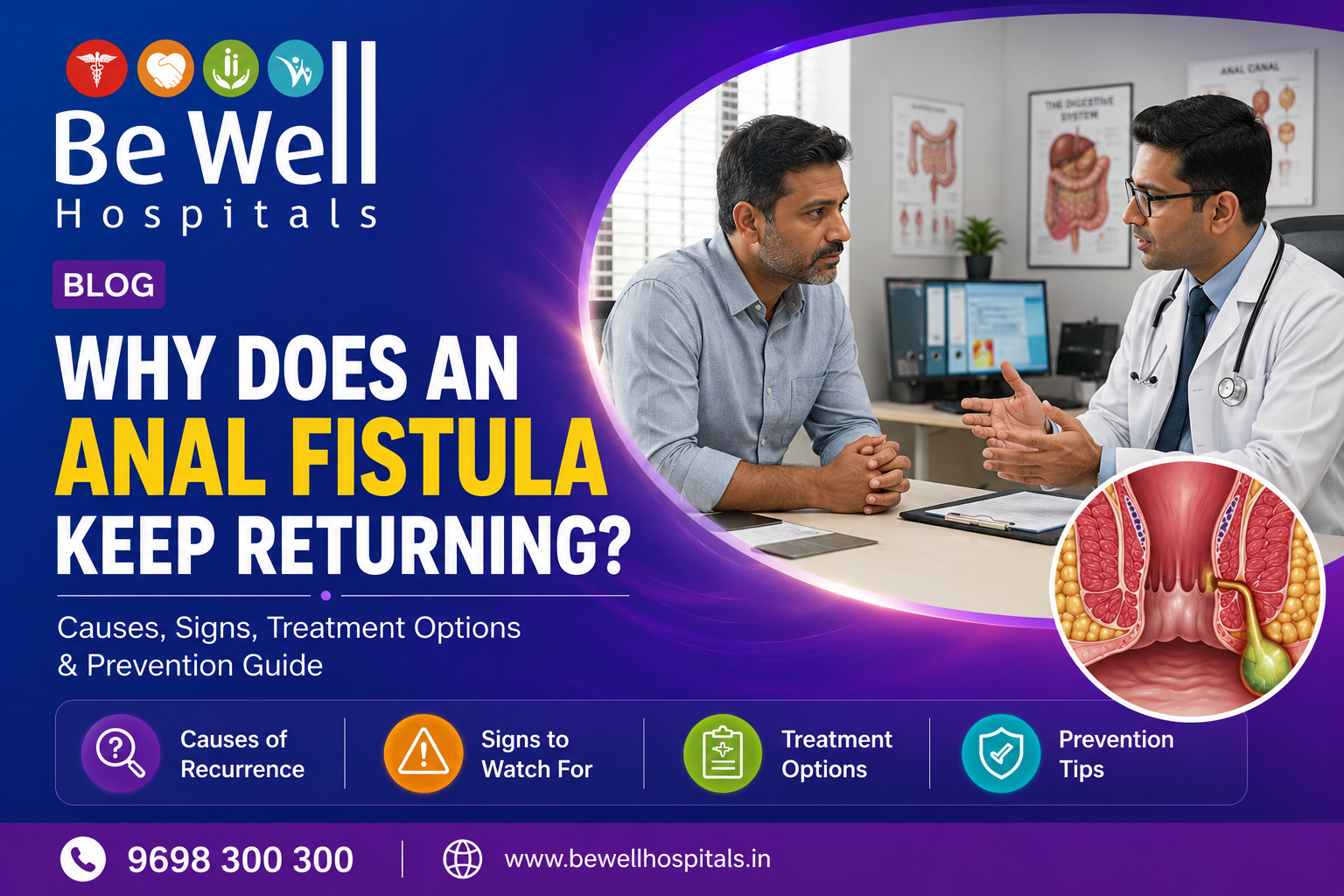
An anal fistula is an abnormal tunnel that forms between the anal canal and the skin surrounding the anus, usually as a result of an infection or abscess. While many anal fistulas can be successfully treated through surgery or minimally invasive procedures, some patients experience recurrence even after treatment. A recurrent anal fistula can cause persistent pain, swelling, discharge, and repeated infections, significantly affecting quality of life.
Understanding the reasons behind anal fistula recurrence is essential for effective treatment and long-term healing. This article explores the common causes, warning signs, risk factors, treatment options, and preventive measures for recurrent anal fistulas.
What Causes an Anal Fistula to Recur After Treatment?
1. Incomplete Removal of the Fistula Tract
One of the most common reasons for anal fistula recurrence is incomplete treatment of the fistula tract. If a small branch or hidden tunnel remains undetected during surgery, the infection can persist and lead to the formation of a new fistula. Advanced imaging and thorough evaluation help reduce this risk.
2. Persistent or Recurrent Infection
An anal fistula often develops from an infected anal gland. If the infection is not completely cleared after treatment, bacteria may continue to accumulate, causing ongoing inflammation and abscess formation. This can prevent proper healing and increase the likelihood of recurrence.
3. Complex Fistula Anatomy
Some fistulas have multiple branches, deep tracts, or connections that extend through important muscles around the anus. These complex anal fistulas are more difficult to treat successfully and have a higher chance of recurrence. Specialized surgical techniques are often required to achieve complete healing.
4. Underlying Medical Conditions
Certain health conditions can interfere with healing and contribute to fistula recurrence. Diseases such as Crohn’s disease, diabetes, tuberculosis, and immune system disorders can cause chronic inflammation or delayed wound healing. Managing these underlying conditions is essential for long-term treatment success.
5. Formation of a New Abscess
Even after successful treatment, a new anal abscess may develop if bacteria become trapped within the anal glands. The abscess can eventually create another tunnel between the anal canal and the skin, resulting in a recurrent fistula.
6. Poor Post-Surgical Healing
Recovery plays a crucial role in preventing recurrence. Factors such as inadequate wound care, smoking, poor nutrition, or failure to follow medical advice can slow healing and increase infection risk.
7. Delayed Follow-Up and Monitoring
Regular follow-up appointments allow doctors to identify early signs of infection, incomplete healing, or recurrence. Missing scheduled reviews may allow minor problems to progress unnoticed.
8. Scar Tissue and Blocked Drainage
Scar tissue can sometimes form during the healing process and obstruct normal drainage pathways. When fluid and bacteria become trapped, inflammation may develop again, increasing the risk of recurrence.
Signs That Your Anal Fistula Has Returned
Recognizing symptoms early can help prevent complications and ensure timely treatment.
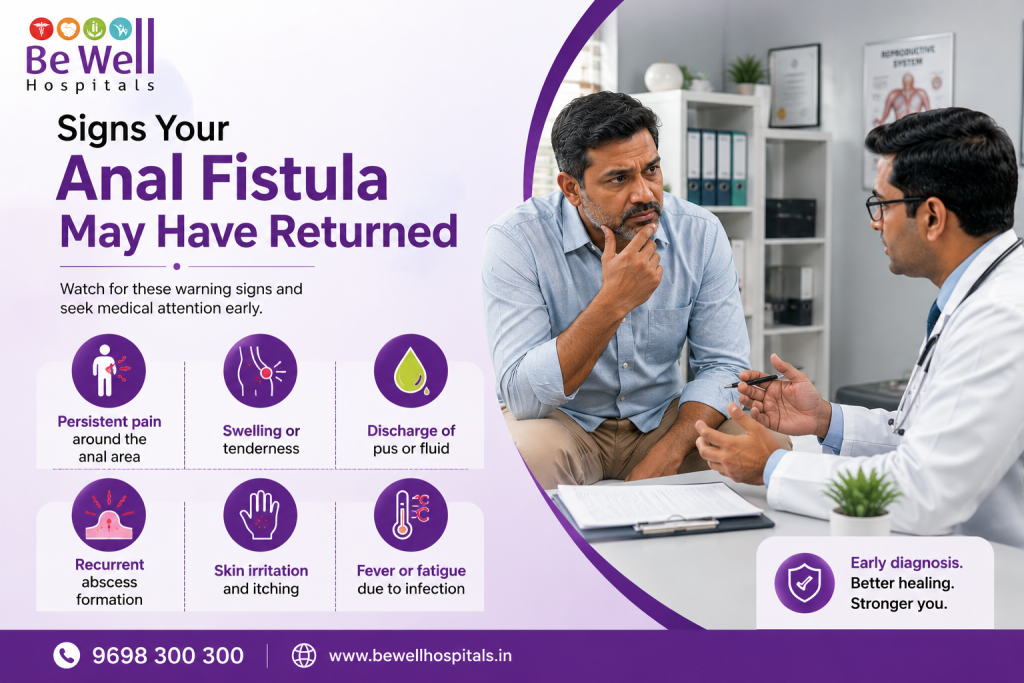
1. Persistent or Recurrent Anal Pain
Pain around the anus that returns after treatment may indicate ongoing infection or the formation of a new fistula tract.
2. Drainage of Pus or Fluid
Continuous or intermittent discharge of pus, blood, or foul-smelling fluid from an opening near the anus is one of the most common signs of recurrence.
3. Swelling Around the Anal Area
Localized swelling, tenderness, or a noticeable lump near the anus may develop due to trapped infection or a new abscess.
4. Recurrent Anal Abscesses
Repeated abscess formation after treatment is a strong indicator that the underlying problem persists.
5. Skin Irritation and Itching
Constant moisture from drainage can irritate the surrounding skin, leading to itching, redness, soreness, and discomfort.
6. Bleeding During Bowel Movements
Some individuals may notice small amounts of blood on toilet paper or in the stool due to inflammation or infection.
7. Fever and General Malaise
Symptoms such as fever, chills, fatigue, and a general feeling of illness may indicate a spreading infection.
8. A New Opening Near the Anus
The appearance of a new opening or draining point near the anus can indicate the formation of a new fistula tract.
9. Difficulty Sitting or Walking
Persistent discomfort during daily activities may result from inflammation, infection, or pressure caused by a recurrent fistula.
10. Delayed or Incomplete Healing
If symptoms continue for weeks after treatment or the wound fails to heal properly, recurrence may be a possibility.
When Should You See a Doctor?
If you experience recurring pain, discharge, swelling, abscesses, fever, or any other symptoms after anal fistula treatment, seek medical attention promptly. Early diagnosis and treatment can improve healing outcomes and reduce the risk of complications.
Underlying Conditions That Increase the Risk of Recurrence
Crohn’s Disease
Crohn’s disease causes chronic inflammation in the digestive tract and is one of the leading causes of recurrent anal fistulas.
Diabetes
Poorly controlled diabetes can slow wound healing and increase the risk of infection, making recurrence more likely.
Tuberculosis and Chronic Infections
Persistent infections can cause ongoing tissue damage and inflammation, interfering with complete healing.
Immune System Disorders
Autoimmune diseases and immunosuppressive medications can affect recovery and increase the chances of recurrence.
Treatment Options for Recurrent Anal Fistulas
1. Fistulotomy
A commonly performed procedure where the fistula tract is surgically opened to allow healing from the inside out.
2. Seton Placement
A surgical thread is placed through the fistula tract to promote drainage and control infection while preserving sphincter function.
3. Advancement Flap Surgery
A sphincter-preserving procedure that closes the internal opening using healthy tissue from the rectal lining.
4. Laser Treatment (FiLaC)
A minimally invasive procedure that uses laser energy to seal the fistula tract while minimizing damage to surrounding tissues.
5. LIFT Procedure
The Ligation of Intersphincteric Fistula Tract (LIFT) procedure treats complex fistulas while preserving bowel control.
6. Fibrin Glue Injection
A biological sealant is injected into the fistula tract to close it without extensive surgery.
7. Management of Underlying Conditions
Treating conditions such as Crohn’s disease, diabetes, and immune disorders is essential for long-term success.
8. Post-Treatment Follow-Up Care
Regular monitoring, proper wound care, and adherence to medical advice significantly improve healing outcomes.
How to Reduce the Chances of an Anal Fistula Coming Back
Seek Early Treatment
Prompt treatment of pain, swelling, discharge, or abscesses can prevent complications and reduce recurrence risk.
Follow Proper Post-Surgical Care
Maintaining hygiene, following wound care instructions, and attending follow-up appointments are crucial for healing.
Manage Underlying Health Conditions
Controlling chronic diseases such as diabetes and Crohn’s disease helps improve recovery and reduce recurrence.
Maintain a Healthy Lifestyle
A balanced diet, adequate hydration, smoking cessation, and regular exercise support healing and overall health.
Conclusion
A recurrent anal fistula can be frustrating and uncomfortable, but understanding the causes behind recurrence is the first step toward effective treatment. Factors such as persistent infections, incomplete healing, complex fistula anatomy, and underlying medical conditions can all contribute to recurrence. Recognizing symptoms early and seeking prompt medical attention can help prevent complications and improve treatment outcomes.
With advanced treatment options, proper post-operative care, regular follow-up visits, and effective management of underlying health conditions, many patients can achieve long-term healing and significantly improve their quality of life.
Get Expert Anal Fistula Care at Be Well Hospitals
If you are experiencing symptoms of a recurrent anal fistula or need expert evaluation and treatment, the specialists at Be Well Hospitals are here to help. Our experienced surgical team offers advanced diagnostic techniques and modern treatment options to ensure effective care and long-term recovery.
Book your appointment today.
Call 📞 9698 300 300
Visit 🌐 https://bewellhospitals.in/