
Introduction
Liposuction is one of the most popular cosmetic procedures for removing stubborn fat deposits and improving body contours. Many people choose liposuction to achieve a slimmer, more sculpted appearance when diet and exercise alone are not enough. While the procedure permanently removes fat cells from treated areas, maintaining the results depends on several factors, including your lifestyle, weight stability, and overall health. Understanding how liposuction works, what influences its longevity, and the steps you can take to preserve your results will help you enjoy your improved body contours for many years. In this article, we explore whether liposuction results are permanent, the factors that affect them, and practical tips for maintaining your results long-term.
“Liposuction permanently removes fat cells from treated areas, the results can last for many years when supported by healthy habits.”
Liposuction is one of the most popular cosmetic procedures for removing stubborn fat deposits and improving body contours. While the procedure can deliver noticeable and long-lasting changes, many people wonder, how long do liposuction results last? The answer depends on several factors, including your lifestyle, weight stability, and overall health. Since liposuction permanently removes fat cells from treated areas, the results can last for many years when supported by healthy habits. However, significant weight gain or natural aging can still influence your body shape over time. Understanding what affects liposuction results and how to maintain them can help you enjoy your new contours for the long term.
Are Liposuction Results Permanent? Understanding Fat Cell Removal
Liposuction is a body contouring procedure designed to remove stubborn fat deposits that do not respond to diet and exercise. During the procedure, a surgeon uses a thin tube called a cannula to suction out fat cells from targeted areas such as the abdomen, thighs, hips, arms, or chin. By reducing the number of fat cells in these areas, liposuction creates a slimmer, more sculpted appearance. It is important to note that liposuction is not a weight-loss treatment but a cosmetic procedure that enhances body shape and proportions.
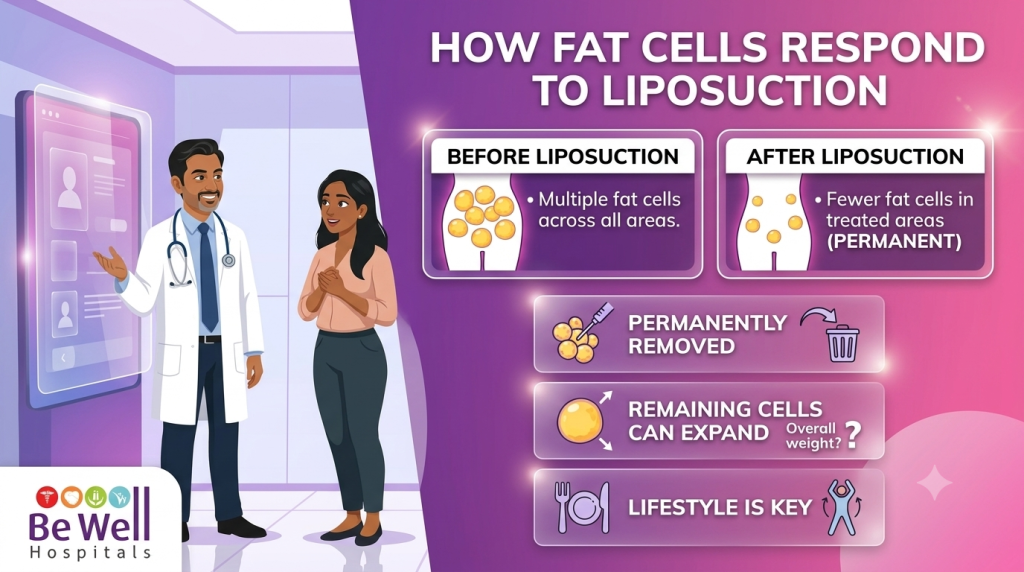
One of the biggest advantages of liposuction is that the fat cells removed during the procedure do not grow back. Adults produce very few new fat cells, so the treated areas retain fewer fat cells permanently. This means that, with a stable body weight, the improved contours achieved through liposuction can last for many years. However, the remaining fat cells in both treated and untreated areas can still enlarge if a person gains a significant amount of weight.
When people say liposuction results are permanent, they are referring to the permanent removal of fat cells from the treated areas—not a guarantee that body shape will never change. Natural aging, hormonal changes, pregnancy, and lifestyle habits can all influence your appearance over time. Maintaining a healthy diet, exercising regularly, and avoiding major weight fluctuations are essential for preserving long-lasting liposuction results and enjoying the benefits of the procedure for years to come.
What Can Affect How Long Liposuction Results Last?
Although liposuction permanently removes fat cells from treated areas, maintaining the results depends largely on your body weight. Significant weight gain can cause the remaining fat cells to enlarge, altering your body contours and reducing the visible benefits of the procedure. Keeping your weight stable through a balanced diet and regular physical activity is one of the most effective ways to enjoy long-lasting liposuction results.
Natural aging and hormonal changes can also influence how your body looks over time. As you age, skin gradually loses elasticity and muscle tone may decrease, which can affect body contours. Hormonal fluctuations during menopause or due to certain medical conditions may also contribute to changes in fat distribution, even if the treated fat cells do not return.
Pregnancy and everyday lifestyle habits play an important role as well. Pregnancy naturally changes body shape and weight, which may affect the appearance of areas previously treated with liposuction. Similarly, a sedentary lifestyle, poor eating habits, inadequate sleep, and chronic stress can contribute to weight gain and make it harder to maintain your results.
Finally, genetics and your natural body composition also influence how long liposuction results last. Some people are genetically predisposed to store fat in certain areas of the body, while others find it easier to maintain a stable weight. Although you cannot change your genetics, adopting healthy lifestyle habits can help preserve your body contours and maximize the long-term benefits of liposuction.
How to Maintain Your Liposuction Results for Years
Maintaining your liposuction results begins with adopting healthy eating habits. A balanced diet rich in fruits, vegetables, whole grains, lean proteins, and healthy fats helps your body maintain a stable weight while providing essential nutrients. Limiting processed foods, sugary beverages, and excessive snacking can reduce unnecessary calorie intake and support long-term body contouring results after liposuction.
Regular exercise is equally important for preserving your new shape. Aim for a combination of cardiovascular activities, strength training, and flexibility exercises each week. Physical activity helps burn calories, maintain muscle tone, and improve overall fitness. Once your surgeon clears you to resume exercise after recovery, staying active can help you enjoy the benefits of liposuction for many years.
Staying well hydrated also plays a valuable role in maintaining overall health and supporting your body’s natural functions. Drinking enough water aids digestion, promotes healthy metabolism, and may help manage appetite by reducing unnecessary hunger. Proper hydration also supports healthy skin, which contributes to a smoother and more toned appearance after liposuction.
Finally, maintaining a stable body weight is the key to ensuring long-lasting liposuction results. While the fat cells removed during the procedure do not return, the remaining fat cells can still enlarge with significant weight gain. Monitoring your weight, following healthy lifestyle habits, and attending regular follow-up appointments with your surgeon can help preserve your improved body contours for years to come.
Can Fat Come Back After Liposuction?
The fat cells removed during liposuction are permanently eliminated and do not grow back. However, this does not mean you are immune to future weight gain. If you gain a significant amount of weight after the procedure, the remaining fat cells throughout your body can expand. As a result, fat may accumulate in both treated and untreated areas, although the treated areas typically retain fewer fat cells than before, helping preserve some of the improved contours.
Significant weight gain can alter your overall body shape and reduce the sculpted appearance achieved through liposuction. While the body generally gains fat in proportion to the remaining fat cells, individual patterns of fat storage vary based on genetics, hormones, and lifestyle. A common misconception is that fat simply “moves” to untreated areas after liposuction. In reality, fat does not migrate from one part of the body to another; instead, existing fat cells enlarge when excess calories are stored.
If noticeable changes occur due to aging, pregnancy, or substantial weight fluctuations, some individuals may consider a touch-up liposuction procedure or additional body contouring treatments. These options should be discussed with a qualified plastic surgeon, who can recommend the most appropriate treatment based on your goals, skin elasticity, and overall health.
When Should You Consider a Touch-Up or Additional Body Contouring Procedure?
A touch-up liposuction procedure may be beneficial for individuals who have experienced noticeable body changes after their initial treatment due to pregnancy, aging, or significant weight fluctuations. Some people may also seek additional contouring if small pockets of stubborn fat remain or if they wish to refine the results achieved during the first procedure. Before considering a touch-up, it is important to have reached a stable body weight and be in good overall health. A consultation with a qualified plastic surgeon can help determine whether another procedure is appropriate for your goals.
In some cases, liposuction alone may not address loose or sagging skin, especially after major weight loss or as skin naturally loses elasticity with age. Combining liposuction with skin-tightening procedures, such as a tummy tuck, body lift, arm lift, or non-surgical skin-tightening treatments, can produce smoother, firmer, and more balanced body contours. Your surgeon will recommend the most suitable approach based on the treatment area, skin quality, and desired outcome.
Having realistic expectations is essential for long-term satisfaction with liposuction results. While cosmetic procedures can significantly improve body shape, maintaining those improvements depends on healthy lifestyle habits and regular follow-up visits with your surgeon. Routine reviews allow your recovery and results to be monitored, concerns to be addressed promptly, and personalized guidance to be provided, helping you preserve your body contours and enjoy long-lasting results.
Enjoy Long-Lasting Liposuction Results
Liposuction can deliver long-lasting, natural-looking body contouring results because the fat cells removed during the procedure are permanently eliminated. However, maintaining those results depends on your commitment to a healthy lifestyle. Eating a balanced diet, exercising regularly, staying hydrated, and maintaining a stable body weight can help preserve your new body contours for years. While factors such as aging, pregnancy, hormonal changes, and genetics may influence your appearance over time, they do not reverse the fat removal achieved through liposuction. If your body changes significantly or your aesthetic goals evolve, a touch-up procedure or additional body contouring treatment may be an option. Consulting an experienced plastic surgeon will help you understand what to expect and create a personalized plan to achieve and maintain the best possible results from your liposuction procedure.
Conclusion
Liposuction offers long-lasting body contouring results by permanently removing fat cells from targeted areas. However, maintaining those results depends on adopting healthy lifestyle habits and keeping your weight stable over time. By following a balanced diet, exercising regularly, staying hydrated, and attending follow-up appointments, you can enjoy your improved body contours for many years. If changes occur due to aging, pregnancy, or significant weight fluctuations, consulting a qualified plastic surgeon can help you explore the most appropriate options to maintain or enhance your results. With realistic expectations and proper aftercare, liposuction can continue to provide confidence and satisfaction well into the future.