
Introduction
Anterior Cruciate Ligament (ACL) injuries are becoming increasingly common among young adults, especially those engaged in sports and fitness activities. Once considered a concern mainly for professional athletes, ACL tears are now affecting recreational players and even teenagers. Factors such as intense training, early sports specialization, poor conditioning, and improper techniques are contributing to this rise. Understanding why ACL injuries are increasing is essential for prevention and long-term joint health. In this blog, we explore the causes, risk factors, symptoms, and effective strategies to reduce the risk of ACL tears in young, active individuals.
What Is an ACL Tear? Understanding the Basics
An Anterior Cruciate Ligament (ACL) tear is a common knee injury that affects stability and movement, especially in active individuals. The ACL is one of the key ligaments connecting the thigh bone (femur) to the shin bone (tibia), helping control forward motion and rotational stability of the knee. When this ligament is overstretched or torn, it can significantly impact mobility and athletic performance.
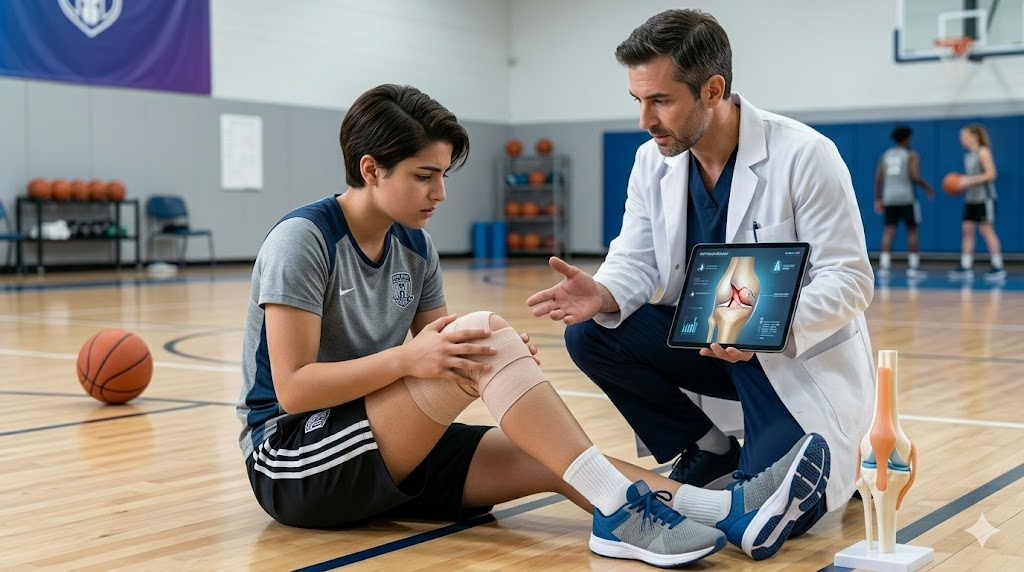
ACL tears often occur during high-impact sports or activities that involve sudden stops, pivoting, jumping, or rapid changes in direction. Sports like football, basketball, and skiing are commonly associated with these injuries. Even a minor misstep, awkward landing, or direct blow to the knee can lead to an ACL injury.
Common symptoms of an ACL tear include a “popping” sound at the time of injury, severe pain, rapid swelling, and difficulty bearing weight on the affected leg. Many individuals also experience a feeling of instability or the knee “giving way” during movement, making it hard to continue physical activity.
Early diagnosis and proper management are crucial to prevent further joint damage and long-term complications. Treatment options may include rest, physiotherapy, or surgical reconstruction depending on the severity. Understanding the basics of ACL tears helps in early recognition, timely care, and effective injury prevention.
Why Are ACL Injuries Rising in Young Adults Today?
ACL injuries are rising in young adults at an alarming rate, driven by changing sports habits and training patterns. Increased participation in competitive sports at an early age, along with year-round training, puts continuous stress on developing joints. Early sports specialization—focusing on a single sport without adequate rest—limits overall muscle development and increases the risk of ligament injuries. High-intensity workouts without proper supervision or recovery time further contribute to this growing concern.
Another key factor is poor conditioning and improper training techniques. Many young athletes skip essential warm-ups, strength training, and flexibility exercises, which are crucial for knee stability. Weak core, hip, and leg muscles can lead to poor biomechanics, making the knee more vulnerable during sudden movements like jumping, cutting, or pivoting. Additionally, lack of awareness about correct posture and landing techniques significantly increases ACL injury risk.
Lifestyle factors and environmental influences also play a role. Sedentary habits combined with occasional intense physical activity can strain unprepared bodies. Inadequate footwear, unsafe playing surfaces, and lack of professional guidance further elevate the chances of injury. Understanding these contributing factors is essential to promote safer training practices, reduce ACL injury rates, and protect long-term joint health in young adults.
High-Risk Sports and Activities Linked to ACL Tears
1. Football (Soccer)
Football is one of the leading causes of ACL injuries due to constant sprinting, sudden stops, and rapid changes in direction. Players frequently pivot and twist their knees while controlling the ball or avoiding opponents. Tackles and collisions also increase the risk of knee trauma. Poor landing mechanics and fatigue during long matches can further strain the ACL. Without proper strength training and conditioning, young players are especially vulnerable to ligament injuries.
2. Basketball
Basketball involves repetitive jumping, quick pivots, and abrupt directional changes, all of which place significant stress on the knee joint. ACL tears often occur during awkward landings after a jump or while making sharp cuts on the court. High-speed gameplay combined with limited recovery time increases fatigue, reducing muscle control and stability. Improper footwear or court grip can also contribute to slips, making ACL injuries more likely, especially among young athletes.
3. Cricket
While not always seen as high-risk, cricket can lead to ACL injuries, particularly in fielders and fast bowlers. Sudden sprints, quick turns, and diving stops can strain the knee. Bowlers experience repetitive stress on their lower limbs, especially during delivery strides. Fielding on uneven surfaces or attempting aggressive catches increases injury risk. Without proper warm-up and strengthening exercises, these movements can overload the ACL, especially during long matches or tournaments.
4. Badminton
Badminton requires quick lateral movements, lunges, and rapid direction changes, which can put intense pressure on the ACL. Players often twist or pivot suddenly to reach the shuttlecock, increasing the risk of knee injuries. The sport also involves repetitive jumping and landing, sometimes on one leg, which can strain the ligament if proper technique is not followed. Inadequate footwear or slippery courts can further increase the likelihood of ACL tears.
5. Skiing
Skiing is strongly associated with ACL injuries due to the twisting forces applied to the knee during falls or sudden turns. When skis remain fixed while the body rotates, the ACL can easily tear. High speeds and challenging terrains increase the risk of losing control. Improper technique, lack of training, or fatigue can make it harder to maintain balance, making young and inexperienced skiers particularly prone to knee ligament injuries.
6. Gym and High-Intensity Training (HIIT)
High-intensity workouts and gym routines that involve jumping, squatting, and rapid movements can increase ACL injury risk if performed incorrectly. Exercises like box jumps, lunges, and plyometrics require proper form and muscle strength. Without guidance, individuals may use poor technique, leading to excessive strain on the knee. Overtraining without adequate rest and recovery further weakens the muscles, reducing joint stability and increasing the likelihood of ACL tears.
7. Running and Trail Activities
Running, especially on uneven surfaces or trails, can contribute to ACL injuries due to sudden missteps, slips, or awkward landings. Trail running involves navigating unpredictable terrain, which can cause the knee to twist unexpectedly. Even regular runners are at risk if they have poor running mechanics, weak supporting muscles, or inadequate footwear. Overuse injuries and fatigue can also compromise knee stability, making the ACL more susceptible to damage.
Role of Poor Training, Overuse, and Early Specialization
1. Poor Training Techniques
Poor training techniques are a major contributor to ACL injuries in young adults. Skipping proper warm-ups, neglecting strength training, and using incorrect form during exercises can place excessive stress on the knee joint. Many athletes focus only on performance rather than building foundational strength in the core, hips, and legs, which are essential for knee stability. Incorrect landing mechanics—such as landing with straight knees or poor alignment—can significantly increase ACL strain. Lack of professional guidance or coaching further worsens the problem. Incorporating structured training programs, neuromuscular conditioning, and technique correction can help reduce injury risk and improve overall athletic performance.
2. Overuse and Inadequate Recovery
Overuse is another key factor driving the rise in ACL injuries. Continuous training without adequate rest does not allow muscles and ligaments to recover, leading to fatigue and reduced joint stability. When the body is tired, movement patterns become less controlled, increasing the risk of improper landings or sudden twists that can injure the ACL. Many young athletes train year-round or participate in multiple competitions without scheduled breaks, which adds cumulative stress on the knee. Recovery practices such as rest days, proper sleep, stretching, and physiotherapy are essential to maintain muscle balance, prevent overuse injuries, and protect long-term joint health.
3. Early Sports Specialization
Early sports specialization—focusing on a single sport from a young age—limits the development of diverse muscle groups and movement patterns. This repetitive strain on the same joints and ligaments increases the risk of ACL tears. Without cross-training, athletes may develop muscle imbalances, poor coordination, and reduced flexibility, all of which affect knee stability. Additionally, intense, sport-specific training at a young age can overload developing bodies. Encouraging participation in multiple sports, especially during early years, helps build overall strength, agility, and resilience. A balanced approach to training can significantly lower the risk of ACL injuries while supporting long-term athletic development.
Biomechanics and Body Factors That Increase ACL Risk
Biomechanics plays a crucial role in determining the risk of ACL injuries, especially in young, active individuals. Poor movement patterns—such as improper landing, knee valgus (inward knee collapse), and limited hip control—can significantly increase strain on the ACL. When athletes jump or change direction without proper alignment, the knee absorbs excessive force. Weak neuromuscular control further reduces the body’s ability to stabilize the joint during high-impact movements, making ligament injuries more likely.
Body factors such as muscle imbalances and lack of strength also contribute to ACL risk. Weak quadriceps, hamstrings, and gluteal muscles fail to adequately support the knee joint, leading to instability. Tight muscles and reduced flexibility can restrict normal joint motion, forcing the ACL to compensate during sudden movements. Additionally, poor core strength affects overall balance and posture, indirectly increasing stress on the knees.
Certain anatomical and physiological factors can also elevate ACL injury risk. Differences in limb alignment, joint laxity, and hormonal influences may make some individuals more susceptible. For example, a wider pelvis or naturally looser ligaments can affect knee mechanics. Understanding these biomechanical and body-related factors is essential for designing targeted injury prevention programs and improving long-term joint health.
Warning Signs and Symptoms of an ACL Injury
1. Popping Sound at the Time of Injury
One of the most common early signs of an ACL tear is a distinct “popping” sound or sensation in the knee at the moment of injury. This typically occurs during sudden movements like twisting, pivoting, or landing awkwardly. Many individuals immediately feel something is wrong. This audible pop is often followed by pain and instability, signaling possible ligament damage.
2. Sudden and Severe Knee Pain
ACL injuries often cause immediate and intense knee pain, especially during movement or weight-bearing. The pain may prevent continuation of physical activity and can worsen with attempts to stand or walk. While some people experience mild discomfort initially, the pain usually intensifies quickly. This symptom is a key indicator that medical evaluation is needed to assess ligament damage.
3. Rapid Swelling (Within Hours)
Swelling is a hallmark symptom of an ACL tear and typically develops within a few hours of injury. This occurs due to internal bleeding within the knee joint. The swelling can make the knee feel tight, stiff, and difficult to move. Rapid onset swelling, especially after a sports-related incident, is a strong sign of a serious knee injury like an ACL tear.
4. Knee Instability or “Giving Way”
A feeling of instability or the knee “giving way” is a classic symptom of an ACL injury. Individuals may feel unable to support their body weight, especially when trying to turn, pivot, or walk on uneven surfaces. This occurs because the damaged ligament can no longer stabilize the joint properly, increasing the risk of further injury if not treated promptly.
5. Reduced Range of Motion
After an ACL injury, the knee often becomes stiff, limiting its ability to fully bend or straighten. Swelling, pain, and internal damage restrict normal joint movement. This reduced range of motion can interfere with daily activities such as walking, climbing stairs, or sitting. Early physiotherapy and medical care are important to restore mobility and prevent long-term stiffness.
6. Difficulty Bearing Weight
Many people with an ACL tear find it difficult or impossible to put weight on the affected leg. The knee may feel weak, unstable, or painful when pressure is applied. This symptom often appears immediately after injury and can persist without proper treatment. Avoiding weight-bearing and seeking prompt medical attention helps prevent further joint damage.
7. Tenderness Around the Knee Joint
Localized tenderness around the knee, especially along the joint line, is another common symptom of an ACL injury. Touching or pressing the area may cause discomfort or pain. This tenderness often accompanies swelling and inflammation. While it may seem mild compared to other symptoms, it is an important sign that the knee structures, including the ACL, may be injured.
Prevention Strategies: Strength Training, Conditioning, and Safe Play
1. Strength Training for Knee Stability
Strength training is essential for preventing ACL injuries by improving knee stability and overall joint support. Focusing on key muscle groups such as the quadriceps, hamstrings, glutes, and core helps distribute forces evenly across the knee. Balanced strength reduces strain on the ACL during high-impact movements like jumping and pivoting. Exercises such as squats, lunges, deadlifts, and resistance band workouts are particularly effective.
Incorporating eccentric strengthening and single-leg training further enhances control and stability. Regular strength training not only lowers injury risk but also improves athletic performance. A well-structured program guided by a professional ensures proper technique, reduces imbalances, and supports long-term joint health.
2. Conditioning and Neuromuscular Training
Proper conditioning and neuromuscular training play a crucial role in reducing ACL injury risk. These programs focus on improving balance, coordination, agility, and body awareness, which are essential for safe movement patterns. Drills such as plyometrics, agility ladders, and balance exercises train the body to respond efficiently during sudden direction changes.
Learning correct landing techniques—like bending the knees and maintaining proper alignment—helps minimize stress on the ACL. Consistent conditioning also builds endurance, reducing fatigue-related errors that can lead to injury. Including dynamic warm-ups and sport-specific drills prepares the body for activity, enhances performance, and significantly lowers the chances of knee ligament injuries.
3. Safe Play and Injury Prevention Practices
Adopting safe play practices is key to preventing ACL injuries, especially in competitive sports. Using proper footwear that provides good grip and support helps maintain stability on different playing surfaces. Athletes should be mindful of surface conditions, as uneven or slippery grounds increase the risk of slips and awkward movements.
Following rules of the sport and avoiding reckless play can reduce unnecessary collisions and knee stress. Adequate rest and recovery between training sessions are equally important to prevent fatigue-related injuries. Education on injury awareness and early symptom recognition empowers individuals to seek timely care, ensuring safer participation and long-term knee health.
Protecting Young Knees: The Way Forward
Conclusion
ACL injuries in young adults are on the rise, but they are largely preventable with the right awareness and approach. Understanding the causes—ranging from poor training techniques and overuse to biomechanical factors and high-risk sports—can help individuals make informed decisions about their fitness and activity levels. Recognizing early symptoms and seeking timely care is equally important to avoid long-term complications and ensure proper recovery.
Focusing on strength training, proper conditioning, and safe play practices can significantly reduce the risk of ACL tears. A balanced training routine, adequate rest, and professional guidance go a long way in protecting knee health. By prioritizing injury prevention and smart training habits, young adults can stay active, perform better, and safeguard their joints for the future.