
Introduction
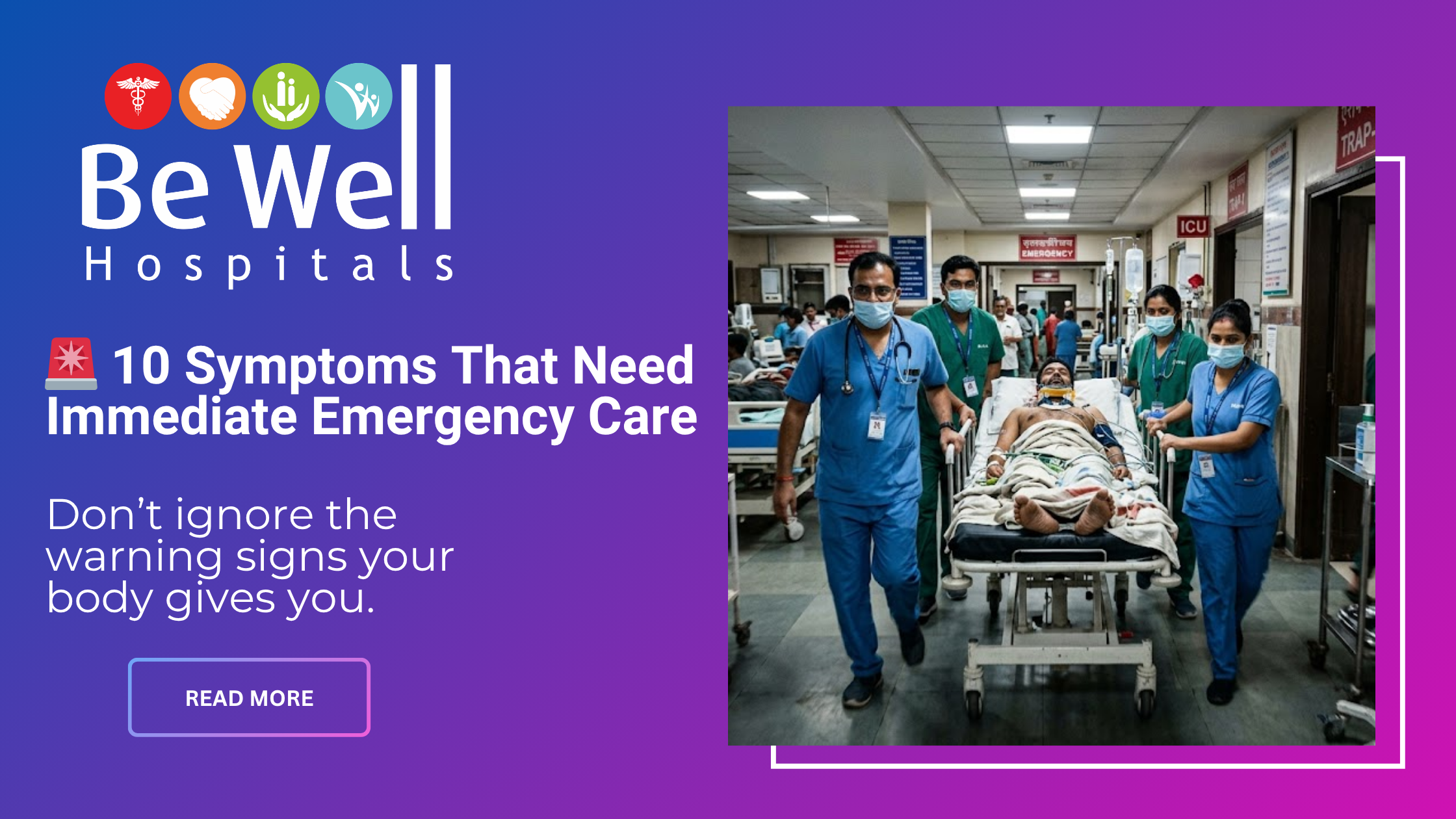
Medical emergencies can happen suddenly and often without warning. While some health problems can wait for a routine doctor’s visit, certain symptoms signal that the body may be in serious danger and require immediate medical attention. Ignoring these warning signs or delaying treatment can lead to severe complications and, in some cases, become life-threatening. Recognizing the difference between minor discomfort and a true emergency can help you act quickly and potentially save a life.
Symptoms such as severe chest pain, sudden weakness, difficulty breathing, or uncontrolled bleeding should never be ignored. Knowing when to seek urgent care is essential for protecting your health and the health of those around you. Here are ten critical symptoms that require immediate emergency medical care.
Symptoms such as severe chest pain, sudden weakness, difficulty breathing, or uncontrolled bleeding should never be ignored. Knowing when to seek urgent care is essential
1. Chest Pain or Pressure
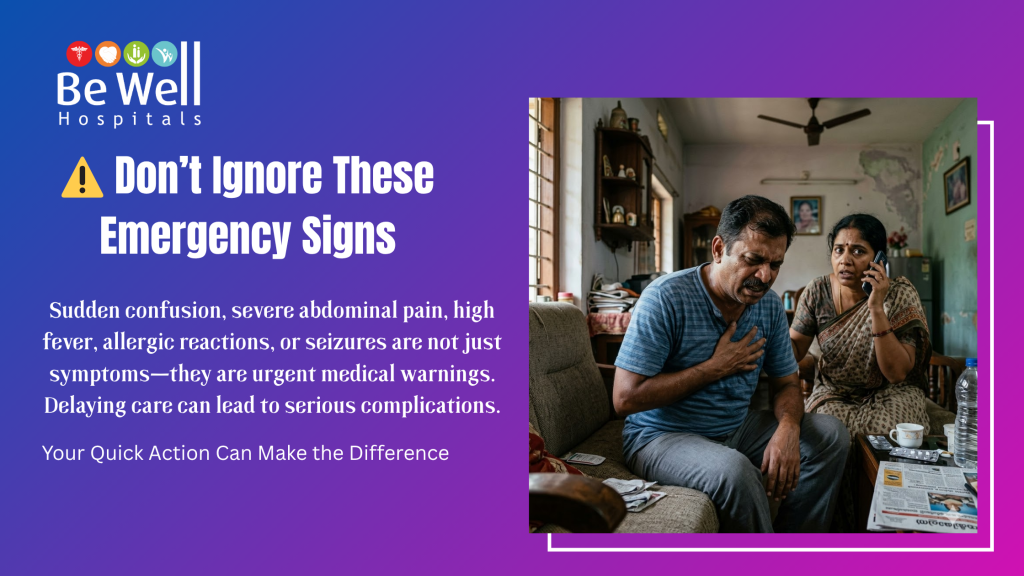
Chest pain or a feeling of pressure in the chest is one of the most serious warning signs that requires immediate medical attention. It may feel like squeezing, heaviness, burning, or tightness in the chest. Sometimes the discomfort spreads to the arms, neck, jaw, shoulder, or back. This symptom can indicate a heart attack or another serious heart condition that requires urgent treatment.
Chest pain may also be accompanied by sweating, nausea, shortness of breath, dizziness, or fatigue. Even if the pain feels mild or comes and goes, it should never be ignored. Quick medical care can help prevent severe heart damage and significantly improve the chances of recovery.
2. Difficulty Breathing or Shortness of Breath
Sudden difficulty breathing or feeling unable to get enough air is a serious medical symptom that requires immediate attention. It may occur suddenly or worsen quickly and can be associated with lung infections, asthma attacks, heart problems, or blood clots in the lungs. Breathing may feel labored, rapid, or shallow.
Other symptoms such as chest tightness, wheezing, bluish lips, or extreme fatigue may appear along with breathing difficulty. These signs suggest the body is not receiving enough oxygen. Immediate medical care is important to identify the cause and restore proper breathing before the condition becomes life-threatening.
3. Sudden Weakness or Numbness on One Side of the Body
Sudden weakness or numbness in the face, arm, or leg—especially on one side of the body—is a classic warning sign of a stroke. A stroke occurs when blood flow to part of the brain is blocked or interrupted. Without oxygen, brain cells begin to die within minutes.
Along with weakness or numbness, a person may experience trouble walking, dizziness, blurred vision, or drooping on one side of the face. These symptoms can appear suddenly and worsen quickly. Seeking immediate emergency care is critical because early treatment can reduce brain damage and significantly improve recovery outcomes.
4. Loss of Consciousness or Fainting
Fainting or losing consciousness can occur for many reasons, including dehydration or low blood pressure. However, sudden or unexplained fainting may signal a serious medical issue such as heart rhythm problems, internal bleeding, or a neurological condition.
If a person loses consciousness and does not wake up quickly, or if fainting occurs repeatedly, it should be treated as an emergency. Other symptoms like chest pain, confusion, severe headache, or difficulty breathing may also appear. Immediate medical evaluation helps identify the cause and prevent potentially life-threatening complications.
5. Severe Bleeding That Does Not Stop
Severe bleeding that continues despite applying pressure is a medical emergency. Heavy blood loss can occur from injuries, deep cuts, or accidents and may lead to shock if not treated quickly. Signs include blood soaking through bandages or bleeding that does not slow after several minutes of pressure.
In addition to visible bleeding, symptoms such as pale skin, dizziness, rapid heartbeat, or weakness may develop. These signs suggest the body is losing too much blood. Immediate emergency care is necessary to control the bleeding, stabilize the patient, and prevent further complications.
6. Sudden Confusion or Trouble Speaking
Sudden confusion, difficulty speaking, or trouble understanding simple conversations may indicate a serious problem affecting the brain. These symptoms often appear suddenly and may be linked to a stroke, head injury, severe infection, or neurological condition.
A person experiencing confusion may struggle to form sentences, forget familiar information, or appear disoriented. Sometimes this symptom occurs alongside weakness, severe headache, or vision problems. Because brain conditions can worsen rapidly, immediate medical evaluation is essential to identify the cause and begin treatment as quickly as possible.
7. Severe Abdominal Pain
Severe abdominal pain that appears suddenly or becomes progressively worse should never be ignored. Intense stomach pain may signal serious conditions such as appendicitis, gallbladder disease, pancreatitis, intestinal blockage, or internal bleeding.
The pain may be sharp, cramping, or constant and may be accompanied by vomiting, fever, swelling, or difficulty passing stool. In some cases, the abdomen may feel extremely tender to touch. Immediate medical attention is necessary to diagnose the underlying cause and provide timely treatment before complications develop.
8. High Fever With Stiff Neck or Rash
A very high fever accompanied by a stiff neck, severe headache, or unusual rash may indicate a serious infection. Conditions such as meningitis or severe bacterial infections can cause these symptoms and require urgent medical treatment.
A person may also experience sensitivity to light, nausea, confusion, or extreme fatigue. In children and adults alike, these signs suggest that the infection may be affecting the brain or bloodstream. Prompt emergency care is critical to control the infection quickly and prevent long-term complications.
9. Severe Allergic Reaction
A severe allergic reaction, known as anaphylaxis, is a life-threatening condition that can develop within minutes after exposure to an allergen such as food, medication, or insect stings. Symptoms may include swelling of the face, lips, or throat, hives, and difficulty breathing.
Other signs may include dizziness, rapid heartbeat, nausea, or a sudden drop in blood pressure. Because the airway can become blocked quickly, immediate emergency treatment is essential. Quick administration of medications and supportive care can help reverse the reaction and save a person’s life.
10. Seizures or Uncontrolled Convulsions
A seizure occurs when there is sudden abnormal electrical activity in the brain. It may cause uncontrolled shaking, loss of awareness, or unusual movements. While some people have known seizure disorders, a seizure that occurs for the first time should always be treated as a medical emergency.
Emergency care is also needed if a seizure lasts longer than five minutes or if multiple seizures occur without recovery between them. Other warning signs include difficulty breathing or injuries during the episode. Immediate medical evaluation helps determine the cause and ensures proper treatment.
When to Seek Emergency Medical Care
Recognizing the warning signs of a medical emergency can make a critical difference in protecting health and saving lives. Symptoms such as chest pain, sudden weakness, difficulty breathing, severe bleeding, or loss of consciousness should never be ignored. These signs may indicate serious conditions like heart attacks, strokes, severe infections, or allergic reactions that require immediate medical attention.
Acting quickly and seeking emergency care can prevent complications and improve treatment outcomes. It is always better to be cautious and get medical help if you are unsure about the severity of a symptom. Understanding these emergency warning signs helps individuals respond promptly and ensure timely medical intervention when it matters most. Being aware and prepared can make all the difference in an emergency situation.
Conclusion
Medical emergencies demand quick recognition and immediate action. Understanding these critical symptoms empowers individuals to respond without delay, potentially saving lives and preventing serious complications. Never ignore warning signs—timely medical care can make a life-saving difference.