
Introduction
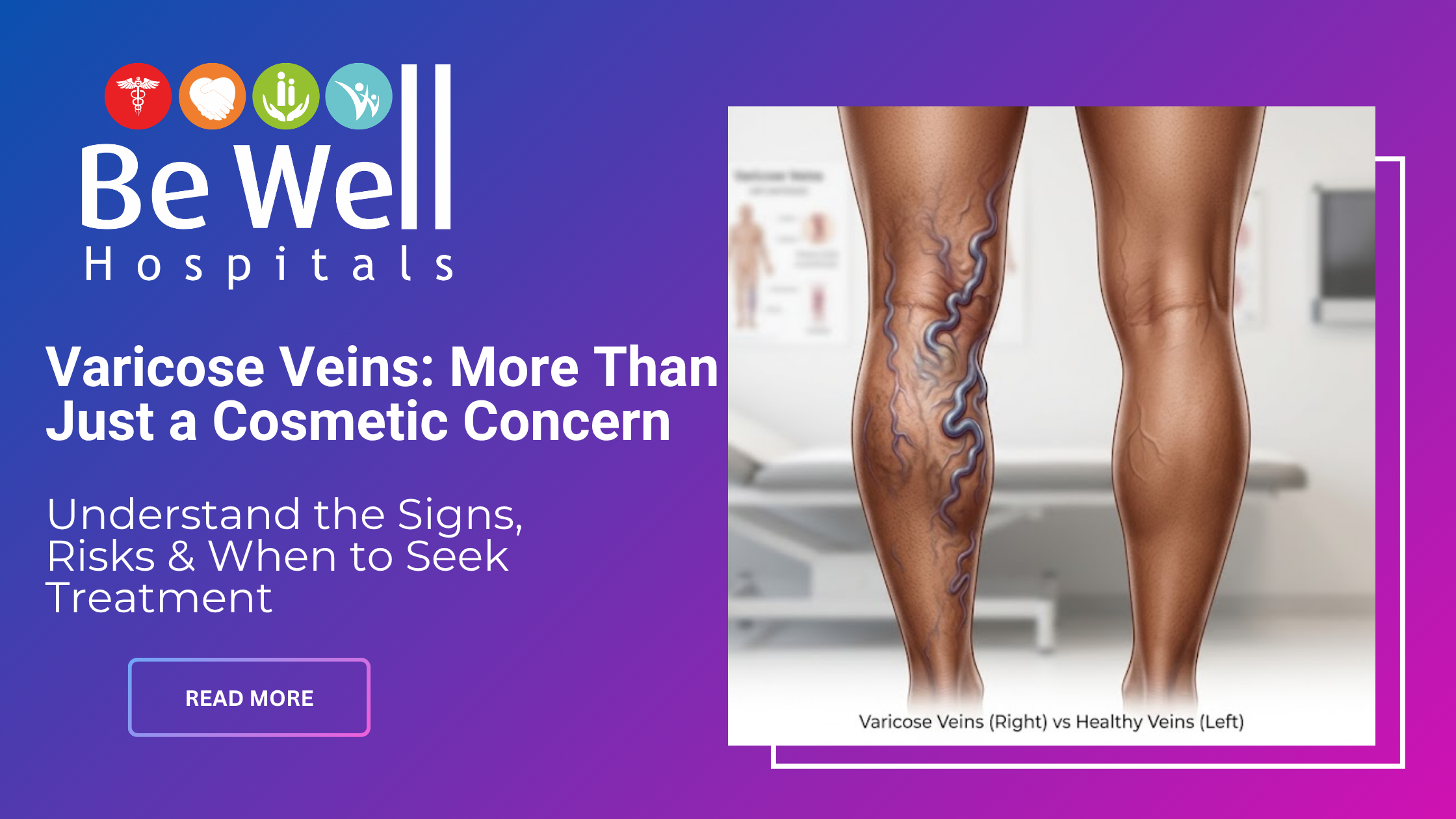
Varicose veins are often considered a cosmetic concern because of their visible, twisted appearance on the legs. However, they can sometimes indicate deeper problems related to blood circulation. While many people ignore them as harmless, varicose veins may lead to discomfort, pain, and even complications if left untreated. Understanding their causes, symptoms, and treatment options is important for early diagnosis and effective management.
What Are Varicose Veins and Why Do They Occur?
Varicose veins are enlarged, swollen veins that usually appear blue or dark purple and are most commonly seen on the legs and feet. They develop when the veins become weakened or damaged, causing them to stretch and twist. While many people view varicose veins as a cosmetic issue, they are often linked to problems with blood circulation.
Inside the veins are tiny one-way valves that help blood flow back toward the heart. When these valves become weak or damaged, they cannot close properly. As a result, blood flows backward and begins to collect in the veins instead of moving efficiently through the circulatory system.
This pooling of blood increases pressure inside the veins, causing them to enlarge, swell, and become visibly twisted. Over time, this condition—known as chronic venous insufficiency—can lead to symptoms such as aching legs, heaviness, swelling, and discomfort.
Common Symptoms Beyond Appearance
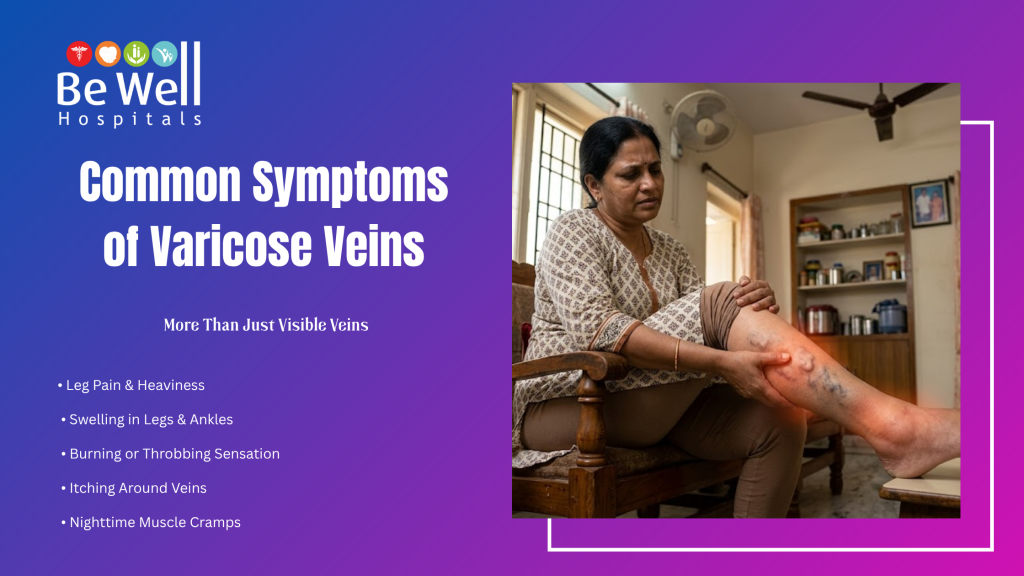
While varicose veins are often noticed because of their appearance, they can also cause several uncomfortable symptoms. Many people experience more than just visible veins, as the condition affects blood circulation in the legs.
Common symptoms include leg pain, heaviness, swelling in the lower legs or ankles, itching around the veins, and a burning or throbbing sensation. Nighttime leg cramps and muscle fatigue are also frequently reported.
These symptoms may seem mild at first but can gradually worsen over time, affecting daily activities and overall quality of life if not addressed.
Potential Health Complications of Untreated Varicose Veins
Varicose veins are often considered minor, but leaving them untreated can lead to serious complications. When blood continues to pool in weakened veins, it increases pressure and can damage surrounding tissues.
Possible complications include blood clots such as superficial thrombophlebitis, chronic swelling, and skin changes like dryness, itching, or discoloration. In more advanced cases, chronic venous insufficiency may develop, leading to painful venous ulcers that require medical treatment.
Risk Factors That Increase the Chances of Varicose Veins
Several factors can increase the risk of developing varicose veins. Age is a major contributor, as vein valves naturally weaken over time. Genetics also play a role, making some individuals more prone to the condition.
Pregnancy, obesity, and prolonged standing or sitting can increase pressure on the veins. A sedentary lifestyle may further slow down circulation, increasing the likelihood of developing varicose veins.
When Should You See a Doctor?
It is important to seek medical advice if varicose veins cause persistent pain, swelling, or discomfort. Skin changes such as darkening, dryness, or itching around the veins should not be ignored.
You should also consult a doctor immediately if a vein becomes painful, inflamed, or starts bleeding, or if a slow-healing sore develops near the ankle.
Treatment Options: From Lifestyle Changes to Medical Procedures
Treatment for varicose veins depends on the severity of the condition. Mild cases can often be managed through lifestyle changes such as regular exercise, maintaining a healthy weight, elevating the legs, and avoiding prolonged sitting or standing.
Compression stockings are commonly recommended to improve blood flow and reduce swelling. For more severe cases, medical procedures such as sclerotherapy, laser therapy, and minimally invasive vein treatments may be used to close or remove affected veins.
Looking Beyond the Cosmetic Aspect
Varicose veins may appear to be just a cosmetic concern, but they can signal underlying vascular problems. Recognizing symptoms early and seeking timely treatment can prevent complications and improve overall vein health.
Conclusion
Varicose veins are more than just a visual issue—they can indicate underlying circulation problems that require attention. Early diagnosis and proper treatment can help prevent complications and improve quality of life. Whether through lifestyle changes or advanced medical treatments, managing varicose veins effectively ensures better long-term health. If you notice persistent symptoms, consulting a healthcare professional is the best step toward proper care and recovery.